


OVERVIEW
As Ethiopia endures its fifth consecutive failed rainy season in 2023, the effects of climate change have translated into increased pressure on vulnerable households throughout the lowlands of southern and southwestern Ethiopia. Rainfall variability, also a result of climate change, has resulted in increased flooding in both the highlands and lowlands. USAID’s resilience and economic growth programming incorporates environmental concerns into their agricultural and rangeland productivity interventions to ensure that they are environmentally sustainable as well as economically viable for Ethiopians. USAID is also restoring grasslands for purchase on the voluntary carbon credit market, potentially offering an additional source of income for marginalized herders.
In 2022, USAID began a biodiversity activity in South Omo, supporting the creation and management of the Tama Plains Community Conservation Area, a biodiversity hotspot in Ethiopia that connects two existing National Parks and supports the rights of the Indigenous Peoples who live within its boundaries.
USAID implements the Government of Ethiopia’s Productive Safety Net Program in select areas. Through cash for work, community members build public works that protect and restore watersheds, and promote soil and water conservation. Collaboration between implementing partners and US and Ethiopian universities incorporates soil health and cultivation technologies into these public works. Watershed protection and rehabilitation reduces erosion and siltation for healthier rivers; it also provides economic and health benefits for the many people who depend on the water source.
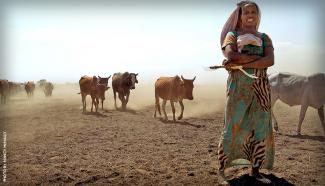
USAID interventions in pastoral areas improve rangelands by intensifying herd and land management and enhancing local and traditional controls over grazing land access and use. Activities also support GoE efforts to control invasive species such as Prosopis juliflora and Acacia drepanolobium. Satellite assisted applications provide subscribing herders with real-time knowledge of pasture and water conditions as well as pest outbreaks and conflict incidents, increasing local grazing resources. Herders using the app report fewer conflict incidents as they choose to move their livestock into unoccupied areas when possible. USAID also works with the Government of Ethiopia and local partners to leverage innovative technology to forecast weather patterns to predict and plan ways to address potential drought or other climate effects and ensure food security and strengthen resilience.
PRIORITIES
Feed the Future Ethiopia Livelihoods for Resilience supports communities in rehabilitating and improving management of watersheds and other natural resources to enhance irrigation and year-round access to water sources. This helps these communities weather the effects of recurring droughts and maximize their land use for harvesting crops.
The Feed the Future Ethiopia Land Governance Activitybuilds on USAID's substantial past investments to improve land governance and land administration, and strengthens land tenure rights in Ethiopia to promote economic growth, increase agricultural productivity, and reduce conflict and resource degradation.
Feed the Future Ethiopia Resilience in Pastoral Areas aims to increase climate resilient growth in the lowlands of Ethiopia by promoting livelihood diversification, improving sustainable rangeland management, enhancing local use of national meteorological information, and piloting weather-based livestock insurance products. Resilience in Pastoral Areas South is also working with South Pole to develop one of the largest grassland-based carbon projects in the world, with the intent of regenerating grasses across 1.4 million hectares of grazing land that will create verified carbon units with revenue benefiting communities well beyond the project period.
Famine Early Warning Systems Network (FEWS NET) activity, we are helping to predict and plan ways to decrease the use of natural resources during times of economic and food distress, when people tend to increasingly depend on these resources for survival.Biodiversity and Community Resilience in the Omo Valley (BIOM) will support Indigenous Peoples to establish and sustainably manage a Community Conservation Area between the Omo and Mago National Parks in partnership with private sector ecotourism investors. This activity will address the root causes of biodiversity loss and empower Indigenous Peoples communities to advocate for themselves with local and regional governments.
Nancy McNally